
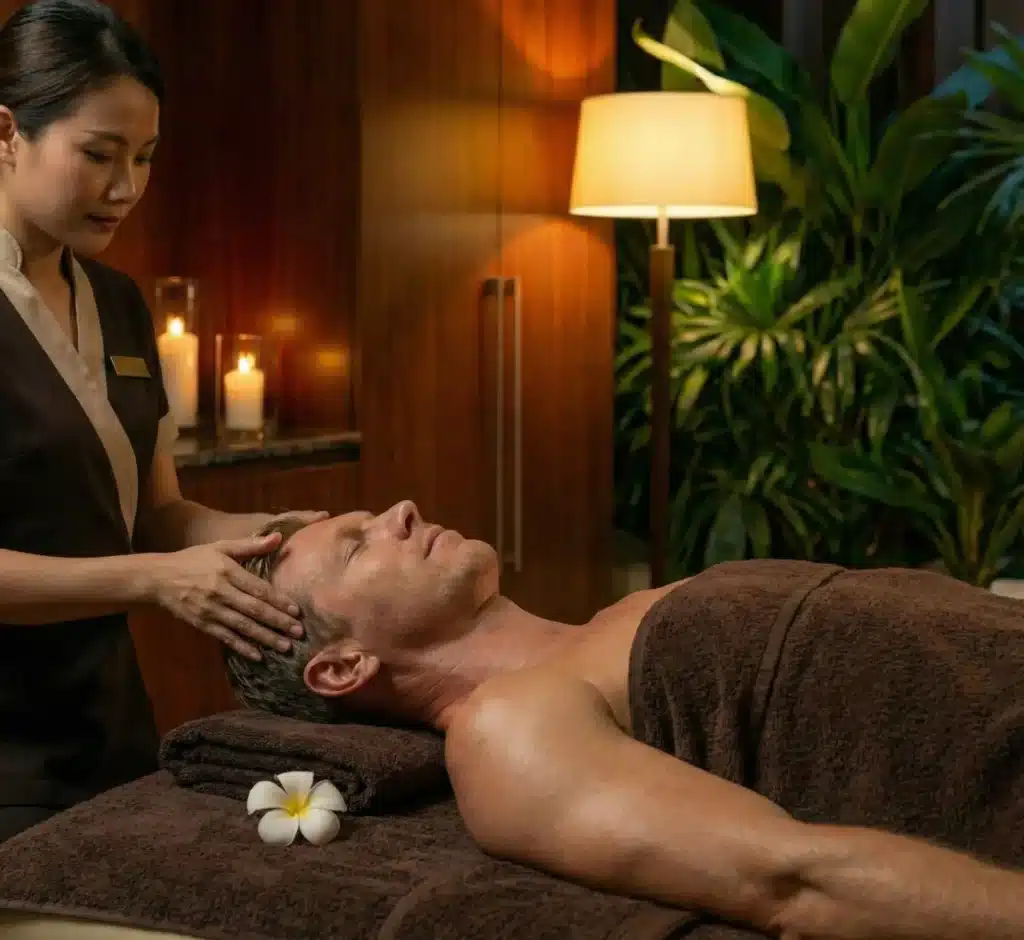
In today’s digital age, the “9-to-5” grind often means hours of sitting, staring at screens, and repetitive typing. While this boosts productivity, it takes a severe toll on the body. This phenomenon, widely known as Office Syndrome, has become a prevalent health issue for modern workers.
Fortunately, muscle relaxation massage is not just a luxury—it is a powerful therapeutic tool to combat these physical stressors.
What is Office Syndrome?
Office Syndrome refers to a cluster of symptoms caused by unhealthy working postures and environments. It typically affects people who sit in the same position for prolonged periods without sufficient movement.
Common Symptoms Include:
-
Chronic pain in the neck, shoulders, and back.
-
Tension headaches or migraines.
-
Numbness in the fingers or wrists (often linked to Carpal Tunnel Syndrome).
-
Eye strain and dry eyes.
Note: If left untreated, these seemingly minor aches can develop into chronic inflammation or severe spinal issues.
How Massage Therapy Alleviates Office Syndrome
Massage therapy is one of the most effective non-invasive treatments for Office Syndrome. It addresses the root causes of physical tension through several mechanisms:
1. Breaking the Pain Cycle
When muscles stay contracted for too long (like hunching over a keyboard), they develop “knots” or adhesions. Massage applies mechanical pressure to these tight spots, physically loosening the muscle fibers and restoring flexibility.
2. Improving Blood Circulation
Sitting limits blood flow. Massage therapy stimulates circulation, delivering oxygen-rich blood to stiff muscles and flushing out metabolic waste products like lactic acid, which contributes to soreness.
3. Reducing Cortisol Levels
Office Syndrome isn’t just physical; it is often exacerbated by mental stress. Therapeutic massage has been proven to lower cortisol (the stress hormone) and boost serotonin and dopamine, helping you relax mentally as well as physically.
The Best Massage Techniques for Office Workers
Not all massages are created equal. Depending on your symptoms, different techniques may be more effective:
| Technique | Best For | Description |
| Deep Tissue Massage | Chronic Pain | Focuses on the deepest layers of muscle and fascia. Ideal for breaking down severe tension in the shoulders and lower back. |
| Thai Massage | Stiffness | Known as “lazy man’s yoga.” It involves assisted stretching and rhythmic pressure, excellent for improving range of motion. |
| Swedish Massage | Stress Relief | Uses long, gliding strokes to promote overall relaxation and improve circulation. Good for mild tension. |
| Trigger Point Therapy | Specific Knots | Targets specific points of tight muscle fibers that cause pain in other parts of the body (referred pain). |
Prevention: Beyond the Massage Table
While massage provides excellent relief, preventing Office Syndrome requires daily maintenance. Here are three simple habits to adopt:
-
The 20-20-20 Rule: Every 20 minutes, look at something 20 feet away for 20 seconds to reduce eye strain.
-
Ergonomic Adjustment: Ensure your monitor is at eye level so your neck remains neutral, and your elbows are at a 90-degree angle.
-
Micro-Breaks: Stand up and stretch every hour. Even a 2-minute walk to the water cooler can reset your posture.
Conclusion
Muscle relaxation massage is more than just a spa treat; it is a vital maintenance routine for anyone working in a modern office environment. By combining regular massage therapy with better ergonomic habits, you can alleviate pain, improve your focus, and protect your long-term health.
Don’t wait until the pain becomes unbearable—listen to your body and give it the relaxation it deserves.